

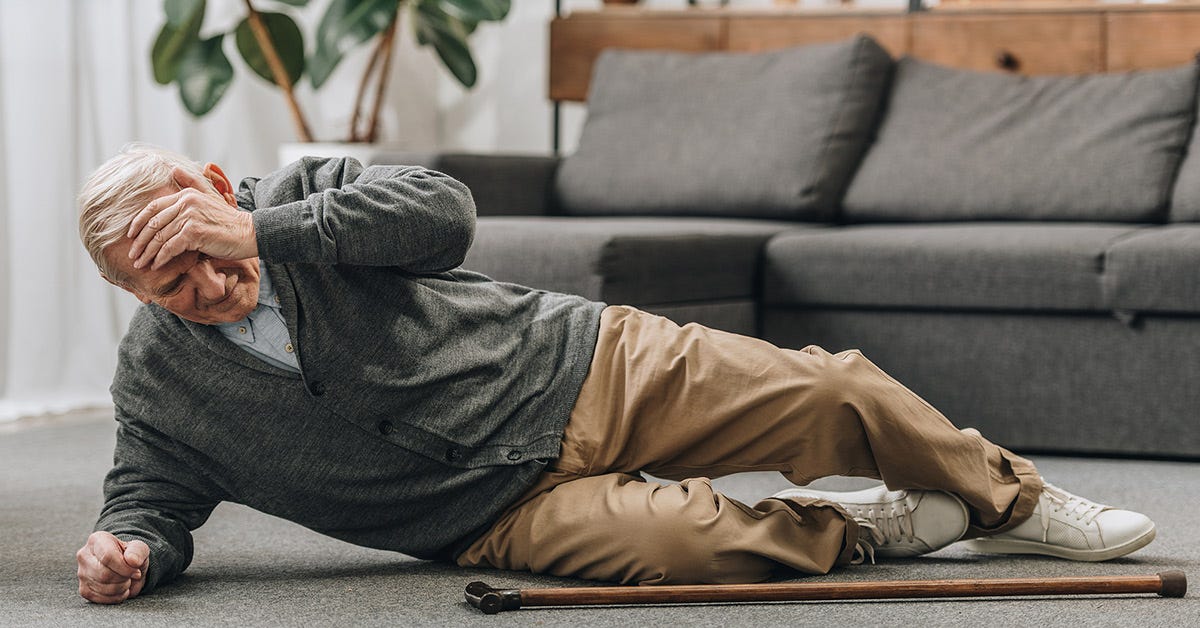
I saw this LinkedIn post the other day detailing how a caregiver should handle a fall in a facility—
What would you do if you found a resident on the floor?
In caregiving, falls can happen at any time. One important thing I have learned is the difference between a witnessed fall and an unwitnessed fall.
✔️ Witnessed fall:
You saw the resident fall happen.
✔️ Unwitnessed fall:
You found the resident on the floor during checks, but you did not see how it happened.
One of the biggest mistakes caregivers can make is trying to lift a resident alone immediately after a fall.
⚠️ DO NOT pick them up on your own.
The resident may have injuries you cannot see.
Instead:
• Stay calm
• Check if they are conscious
• Assess the environment for hazards
• Call for help immediately
• Reassure the resident
• Wait for proper assessment
• Report and document accurately
Safety, teamwork, dignity, and professionalism are very important in healthcare.
Every day in caregiving is an opportunity to protect, support, and care for others with compassion. ❤️
My wife was in an Assisted Living facility. She was living with PD and LBD. One evening, I received a call that she was having a panic attack and was struggling to settle down. The CNA on the phone told me that there were no medical orders for panic medications, and her only recourse was to call 911 and send Diane to the Emergency Room for assistance.
Having recently been to the ER several times, I realized this would mean—
A 2-3 hour wait to be entered into the flow
A lack of PD awareness by staff
A potential gap in her medication schedule
Sitting around in rooms or hallways waiting to be seen and diagnosed
An overall timeframe of 6+ hours.
I told the CNA to wait, and I rushed over to the facility. I took a little time, but Diane quickly settled down, and everything was fine. It took me about 45 minutes overall and no drugs.
BTW: There was no Doctor, RN, or LPN available at the facility. It was up to the CNA to make the healthcare decisions, and they followed a very distinct protocol.
The Point
I want to use the LinkedIn post as a backdrop for my revelation that AL facilities don’t really handle medical incidents.
Instead, they call emergency services.
Did you know that? I didn’t.
Now, I can see that for some things. But I can’t see it for all falls, panic attacks, or other relatively simple medical situations.
You might ask, “Why is that, Bob?”
What I’ve learned is that most, if not all, Assisted Living and Memory Care facilities are NOT equipped to handle even the simplest medical care situations. And their default reaction seems to be in two directions—
Call 911
Ignore the event and move on
In fact, they are NOT medical facilities. Please hear that. And don’t think that their handling of medication management changes anything.
They are primarily residential rental, meal, and light-assistance facilities.
That’s it!
So, please keep that in mind when making care decisions for your care partners and loved ones.
Take care of yourself,
Bob.
Here’s another post by Wendy Kirouac about her mom falling.
This is also true of many crisis centers, where a person can be admitted for being suicidal, having acute PTSD flashbacks, to detox from substances, etc before being triaged to some other clinical facility. The staff at at least some crisis centers doesn't have actual medical training. There is one nurse available for prescribing, but that's it, and they are not always available. If there is a medical situation, including a significant fall, they 911.
Similar to you, I also do not think this approach makes sense for patient safety.
If we have a shortage of medical professionals, I wish we could take time to upskill the current staff. Imagine the career bump that could do for the, too.
Anyway, I just wanted to say I have experienced a situation that "slant-rhymes" with this and just wanted to say I'm sorry you have to deal with these system gaps. My heart goes out to you.
in my experience, every fall is a call to 911, ambulance, etc due to liability and avoidance of lawsuits.